According to a survey by the researcher of the Agronomic Institute of Paraná (Iapar), Tiago Telles, soil erosion in the state’s temporary crops causes a loss in the order of US $ 242 million per year in nutrients.
The research evaluated the performance of soil and water management in agricultural properties located in the state’s micro-basins between 2014 and 2018. Scientists have identified that the frequency of problems with erosion is increasing every year, including the occurrence of gullies and formation of grooves in the soil.
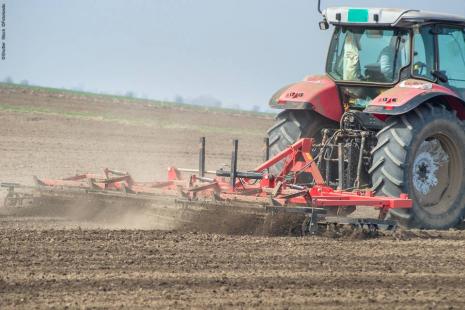
From the 1970s, Paraná managed to reduce erosion with the adoption of the Direct Planting System (SPD). When correctly adopted, this technology is able to reduce water and soil erosion losses by 95%, compared to the conventional tillage system with plows and grates, according to Embrapa Soja (PR) data.
However, the inadequate or partial use of the system in the state, especially with regard to insufficient production of straw and roots by the adoption of poorly diversified production systems (basically wheat / soybean sequences and 2nd crop / soybean), has favored erosive processes. “The problem, which for a time had been equated in the state, making it a positive example for Brazil and the world, is back and, in the last four years, we have recorded significant losses of water and soil,” says the researcher. Embrapa Henrique Debiasi.
Paraná has about 6 million hectares of agricultural land. More than 80% of the area with temporary crops adopt other conservation practices, besides SPD, mainly crop rotation and level cultivation. “The use of terraces is the least adopted practice in the state,” says Telles of Iapar.
The quality of soil management, for example, has worsened, mainly due to the consolidation of the negative effects of the succession wheat-soybean or second-crop soybean and consequently the reduction of crop diversification.
The work that analyzed soil conditions in Paraná was done by Embrapa researchers, in partnership with teams from Iapar, State University of Londrina (UEL) and Itaipu Binacional.
This text was translated by machine from Brazilian Portuguese.