The Law Bill (PL) 6299/2002, which deals with the flexibilization of rules for the control and use of agricultural pesticides, has generated a series of debates among sectors of society. In the midst of so much misinformation, some points about the project need to be clarified.
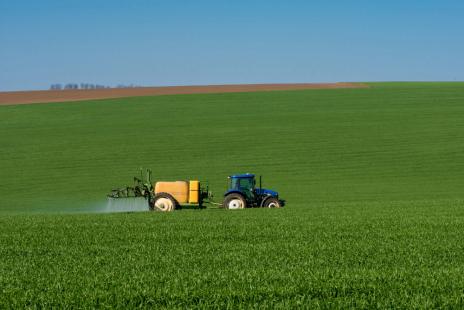
Those opposed to the proposal claim that their aim is to increase the use of these substances in crops, when in fact it is just the opposite. The project seeks to reduce bureaucracy the use of more efficient substances, which due to bureaucratic processes are waiting for release for more than ten years. Today, the Union intends to divide the responsibility between states and municipalities over rules and supervision in the use of pesticides.
Also under the new law is the creation of the National Technical of Phytosanitary (CTNFito), an organ that will aim to approve proposals on new products. Today, this demand is made by the Brazilian Institute for the Environment and Renewable Natural Resources (IBAMA), the National Sanitary Surveillance Agency (ANVISA) and also the Ministry of Agriculture.
Author of the proposal, the current Minister of Agriculture, Blairo Maggi, supports the approval of the project so that Brazil continues as one of the largest food producers in the world. Still according to the minister, due to the characteristics of the country – tropical climate, with high temperature and humidity – the use of these products is necessary for the control of pests, insects and weeds.
According to ANVISA, ANVISA says that the proposed law does not contribute to the availability of safer foods or new technologies for the farmer or even to the strengthening of the pesticide regulatory system. The project in question has been widely debated by all sectors of the civil society involved with the issue, academia, and public and private research institutes, and represents the consensus of all involved on the best way forward of the theme.
According to data from the Food and Agriculture Organization of the United Nations (FAO) and the Consultoria Phillips McDougall, Brazil is one of the countries that produces the most food and uses less pesticides globally per cultivated area. Japan, Germany, France, Italy and the United Kingdom. In Japan, for example, the use of pesticides is eight times higher per hectare compared to Brazil.
This text was translated by machine from Brazilian Portuguese.