The area planted with grain in Rio Grande do Sul is expected to grow by 3.4% in 2019. In the same sense, an increase in the same proportion is expected for the grain harvest in the State, according to projections for the sector made by the Agriculture Federation of the State of Rio Grande do Sul (Farsul).
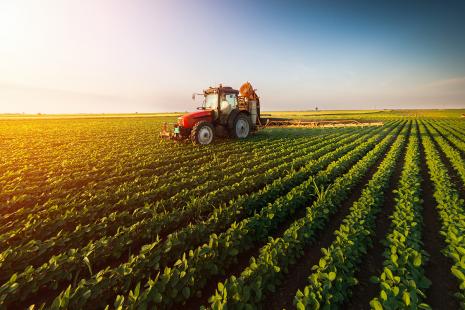
In relation to the main crops grown in the State, the soybean should increase area (2.5%) and production (5.3%). The positive expectation comes after a fall of 6.4% in 2017. According to Farsul Antônio da Luz economist. Maize (3.4%) and Wheat (31%) help pull the expansion of the planted area, which can to reach 8,885 thousand hectares in the 2019 harvest.
On the other hand, rice, which is expected to have a further decline in planted area (-6.5%) due to the challenges of high production costs which often exceed the amounts paid to the producer, despite an increase in the price due to exports resulting from PEP and PEPPRO auctions. As a result, farmers are migrating to other crops, such as soybeans, which accounts for the projected fall in both the area planted for rice for the second consecutive year and the harvest (-5.3%) in 2019.
In livestock, the year 2018 brought a principle of recovery of milk prices, affected by the economic crisis in 2017. The economist estimates that a third of the milk producers left the activity. In 2018, there was a recovery of 36% in the price accumulated from January to November and a slight increase of 0.85% in production is expected. Cattle raising in the state of Rio Grande do Sul will close the year with a stable slaughtering rate in relation to 2017 and a 6% drop in sales due to the price decrease.
Antônio da Luz expressed optimism regarding next year, since he understands that the lack of confidence of the businessman and the consumer have been damaging investments in recent months, but expressed concern about the returns of the crop of 2019, which is being planted at costs high prices, under pressure from the dollar raising prices, but that will be harvested at another time, where exchange rate fluctuations may threaten the producer’s gains.
This text was translated by machine from Brazilian Portuguese.