Brazil took the place of 3rd. the largest exporter of agricultural products, surpassed only by the European Union and the United States, according to the United Nations Food and Agriculture Organization (FAO).
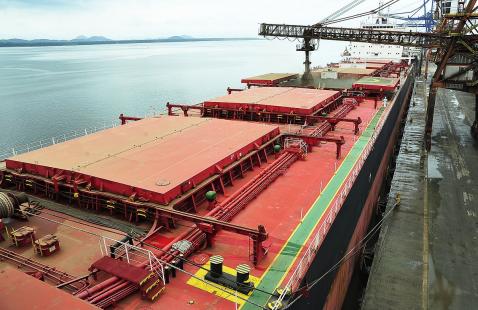
According to the document, Brazilian participation in agricultural exports jumped from 3.2% in 2000 to 5.7% in 2016. Brazil is also quoted in the paper as having gained greater importance in world agricultural markets as part of the economies emerging economies, alongside China, India, Indonesia and Russia.
According to the report, the value of agricultural trade is estimated to have increased by more than double the world’s gross domestic product (GDP). globally increased more than triple in 15 years. The overall improvement was $ 570 billion in 2000 to $ 1.6 trillion in 2016. The document notes that, each year, trade in agricultural products rose more than 6 percent globally.
Other factors, indicates the work, for the advancement of agricultural trade include population growth, advances in transport, information and communication technologies and improvements in market access. Global production continued to rise to meet demand and trade.
Challenges
The document, however, warns of the significant implications of climate change for agriculture and food security. Factors such as rising average temperatures, changes in rainfall patterns, rising sea levels, more extreme weather events and possible damage from pests and diseases should affect production. The agricultural, livestock, fisheries and aquaculture sectors are expected to have a major impact.
Arid and semi-arid regions will be exposed to less rainfall and higher temperatures, which are expected to cause agricultural losses. But countries in temperate areas should benefit from a warmer climate. As a result, climate change can accentuate existing inequalities and further widen the gap between developed and developing countries.
This text was translated by machine from Brazilian Portuguese.