In the last 40 years, the Brazilian farming industry recorded significant gains. Between 1975 and 2016 grain production rose from 40.6 million tons to 187 million tons. In livestock production, the result rose from 1.8 million tons to 7.4 million, according to a study by general coordinator of Studies and Analysis of the Secretariat of Agricultural Policy of the Ministry of Agriculture, Livestock and Supply (MAPA), José Garcia Gasques.
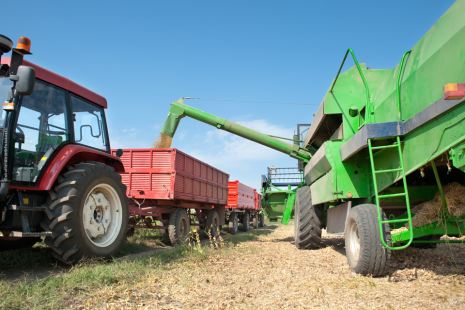
Based on data from the The US Department of Agriculture (USDA), the productivity of Brazilian agriculture, grew an average of 3% a year in the last 40 years.
The jump in production is attributed in large part to the improvement in the use of inputs with direct effects on productivity. Fertilizer consumption rose from 2 million tons in 1975 to 15 million tons in 2016. Also, the increase in domestic sales of agricultural machinery and its quality were determinant for productivity. Gasques notes that the use of agricultural pesticides in a preventative or curative way had great weight, avoiding loss of products.
The period studied (1975 – 2016) is important because it includes many transformations in the country, among them the creation of Embrapa (Brazilian Agricultural Research Company) in 1972, the rise and decline of agricultural subsidies policy, economic opening, from the 1980s, stabilization plans, from 1986 to 1994, reduced government participation in rural credit and price policy, and other innovations in public policies for the sector.