The double rice and beans represents approximately 38% of the amount of food thrown away in Brazil. The finding is part of a survey of 1,764 families from different social classes and from all Brazilian regions, demanded by the European Union – Brazil Sectorial Dialogues, in a project led by Embrapa and supported by the Getúlio Vargas Foundation (FGV).
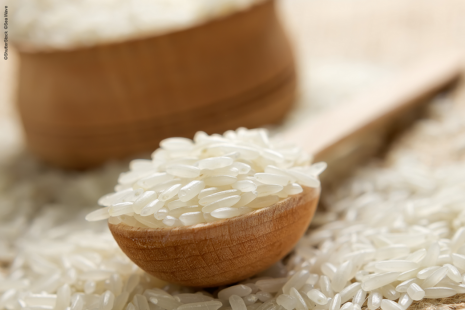
The ranking of the most wasted foods shows rice (22%), beef (20%), beans (16%) and chicken (15%) with the highest percentage of total wasted by the sample surveyed. The detailed data of the research will be presented at the “International Seminar on food losses and waste in agrifood chains: opportunities for public policies,” at Embrapa’s headquarters in Brasília (DF) Thursday.
“The Brazilian family wastes relatively large quantities of even more expensive and protein foods, such as beef and chicken, which surprised us,” said Carlos Eduardo Lourenço, marketing professor at the School of Business Administration of São Paulo (EAESP) of the FGV.
Among the reasons for the waste pointed out by the researchers is the search for taste and preference for the abundance of Brazilian consumers. Failure to take advantage of leftovers is the main factor for the disposal of rice and beans, according to experts.
Big buy, bigger waste
Another relevant finding of the research is that 43% of people agree that “acquaintances throw food out regularly,” but in matters that address their own behavior the problem does not appear as much. The results showed that 61% of families prioritize a large monthly food purchase, which increases the propensity to buy unnecessary items.
Previous research conducted by Embrapa has already pointed out that Brazil’s habit of making a large monthly purchase leads to food waste, especially when buying in full is combined with low meal planning. “We observed some contradictions in consumer behavior. While 94 percent say it’s important to avoid wasting food, 59 percent do not care if there is too much food at the table or in the pantry, “says Gustavo Porpino, an analyst at Embrapa and project leader at the Sector Dialogues.
Porpino reveals that most families (68%) highly value having a pantry and refrigerator full of food. “Having a fully stocked pantry is a cultural trait very present in Brazilian families and especially in the context of the lower middle class, this need occurs because the purchase of food is the priority of the family budget. This new research reinforces previous findings that the preference for plenty is a promoter of food waste, “he points out.
Solutions
“The research data shows that Brazil needs to act in different links in the chain to avoid losses and waste of food. Communication and nutritional education actions are fundamental to raise awareness and connect consumers with food, as well as technologies and technical skills to reduce losses of food in the field, “says Porpino.
The Embrapa analyst explains that the National Strategy to Combat Losses and Food Waste, recently approved by the Interministerial Chamber of Food and Nutrition Security (Caisan), works on this broader perspective, involving four axes: research and innovation; communication and training; public policy; and legislation. “There is a strong premise that we also need to act directly with the end consumer,” says Porpino who believes that the research brings subsidies to this and other Brazilian initiatives.
This text was translated by machine from Brazilian Portuguese.