The Rio Grande do Sul crop is expected to receive less rainfall for the next three months. The analysis is made by the Permanent Council of Applied Meteorology of the State of Rio Grande do Sul (Copaaergs), which attributes this scenario to the La Niña climate phenomenon.
According to the latest Copaaergs report, the sum of the rainfall forecast for this fall points to values below the climatological standard in all regions of the State. Faced with this scenario, the council listed a series of technical guidelines to be followed during the rainy season for the main crops of the state. See below:
Safflower, soybean and corn beans
- Collect and store the grain as soon as it reaches maturity (harvest point);
- Pay special attention to harvesting times, operating speed and
harvester, aiming to avoid losses.
Rice
- Anticipating the adequacy of the areas destined to the crop for the next harvest, mainly soil preparation and systematization and drainage activities, in order to sowing at the recommended time;
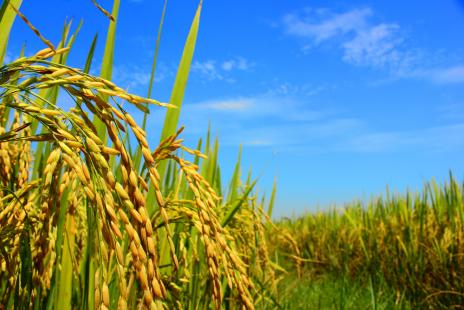
- Considering the low levels of water sources due to the use of water for irrigation of crops and that the next quarter (April, May and June) indicates a trend of average, it is recommended that producers pay close attention to the capture and storage of water for the next harvest.
Winter Cultures
- Scheduling the sowing season within the period indicated by zoning climate risk;
- In cereals, preferably use disease-resistant cultivars and emphasis on disease monitoring.
Vegetables
- Avoid over-irrigation and do not irrigate on cloudy days. When necessary, irrigate in the morning. Use mulch and give preference to drip irrigation;
- It is recommended to produce seedlings in a protected environment in order to guarantee quality;
- In protected environments (tunnels and greenhouses) prioritize the maximum possible ventilation;
- Proceed as early as possible and close later, except for protection in rain and wind conditions;
- Emphasize the monitoring of diseases, especially those favored by wetting of the aerial part or excess humidity in the air or the soil.
Fruticulture
- Keep the plant cover between the lines of the plants, so that it protects the soil and retain water;
- To minimize frost damage on fruit, avoid fertilization with nitrogen, in order to stimulate new shoots in the cold season;
- For crops in protected environment it is recommended to remove the screens to increase the availability of radiation to plants;
- In the temperate fruit trees perform the winter treatments for reduction of inoculum source.
Forestry
- In forest stands, mineral or organic fertilization should be avoided with high concentrations of nitrogen;
- For the production of open-air forest seedlings, if the nursery need to apply fertilizers, should increase the potassium / nitrogen ratio of the most appropriate formulation for each species and stage.
Pastures
- Carry out the planting of winter forages, annual or perennial, as soon as there are adequate conditions of soil moisture;
- Reduce animal load on natural pastures;
- Defer potents with cultivated winter pasture and improved native field with overwintering of winter species to allow reestablishment of these species and accumulate fodder for the winter period.
Pisciculture
- To avoid fish mortality due to the higher thermal amplitudes in this promote the greater withdrawal of organic matter from the nursery use aerators to avoid thermal stratification;
- Do not feed the fish if the water temperature is above or below the indicated temperature for the species created;
- Make use of probiotics as a way to improve during the rearing period.