We are entering the third wave of technological innovation applied to agriculture, says researcher Silvia Massruhá, Embrapa Informática Agropecuária.
In an interview with the Datagro Portal, Silvia explains that the first wave was the green revolution of fertilizers, seeds and pesticides; and the second – ongoing – is guided by integrated production systems, such as integration-crop-livestock-forest (ILPF).
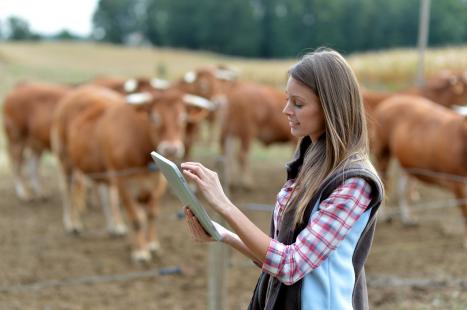
From now on, the researcher points out, the third wave will be marked by the use of biological inputs, digital solutions, Internet of Things (Iot), automation, gene editing, nanotechnology, among other innovations. “It will be increasingly complex technologies and systems dedicated to improving agricultural productivity, with a focus on doing more with less in a sustainable way.”
Given this scenario, Silvia says that we are moving to connected farms, with agriculture based on digital solutions for monitoring and control of pests, inputs, climate, soil, among other variables. “With the adoption of the most diverse sensors, the mass of data that will be generated will be instrumental in helping the farmer to improve his performance.” According to the researcher, among the challenges of agriculture 4.0 are poor connectivity in the field, training of the workforce, the search for integration between technologies, etc.
In addition, Silvia points out that another “disruptive technology” that will impact agriculture is the “empowerment” of the consumer. “The consumer wants to know the origin and traceability of food, for example, and the technology used in production needs to be explained to him.”